

9th July, 2026 | Sajina Bajgain, Kathmandu
Health Pana
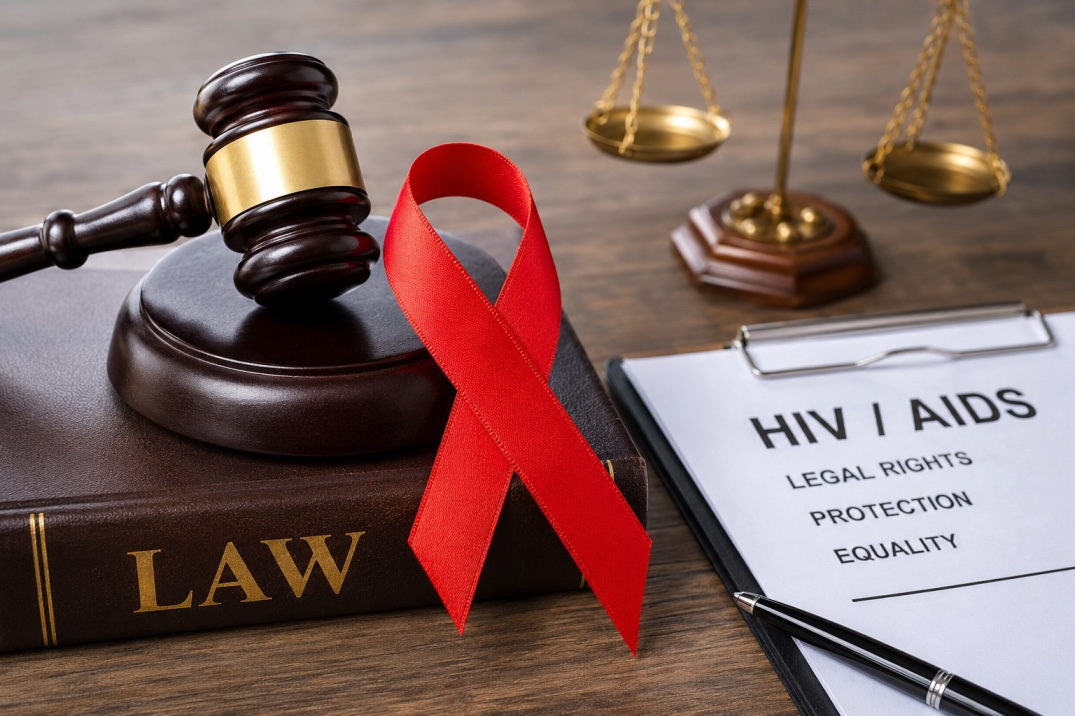
Despite significant advances in HIV prevention and treatment, legal and social barriers continue to hinder the global response to HIV/AIDS. Experts emphasize that protecting the rights of people living with HIV is just as important as providing access to healthcare.
Discrimination, stigma, and punitive laws remain major challenges in many countries. People living with HIV often face unequal treatment in employment, healthcare, education, and housing, discouraging many from seeking testing and treatment. According to global public health experts, fear of discrimination can lead to delayed diagnosis, increasing the risk of HIV transmission.
A rights-based legal framework helps ensure confidentiality, informed consent for HIV testing, equal access to healthcare, and protection against discrimination. Such laws also support key populations including sex workers, men who have sex with men, transgender people, and people who use drugs by enabling them to access essential prevention and treatment services without fear.
In Nepal, the National Centre for AIDS and STD Control and the National Human Rights Commission have emphasized the importance of protecting the dignity and human rights of people living with HIV. Nepal has also adopted legal provisions aimed at preventing discrimination and promoting equal access to healthcare services.
The Joint United Nations Programme on HIV/AIDS (UNAIDS) states that countries with supportive legal environments achieve better HIV outcomes because people are more likely to access testing, treatment, and prevention services without fear of punishment or discrimination.
Public health experts stress that ending AIDS as a public health threat requires not only medical innovation but also strong legal protections, public awareness, and the elimination of stigma.
Key Legal Principles Related to HIV/AIDS
- Protection from discrimination in employment, education, and healthcare.
- Confidentiality of HIV status and medical information.
- Voluntary and informed consent for HIV testing.
- Equal access to HIV prevention, treatment, and care services.
- Protection of human rights for all individuals, regardless of HIV status.
Experts conclude that law should serve as a tool to protect health, uphold dignity, and ensure that no one is left behind in the fight against HIV/AIDS.









Leave a Reply